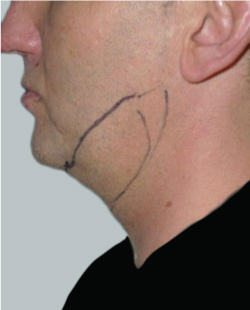
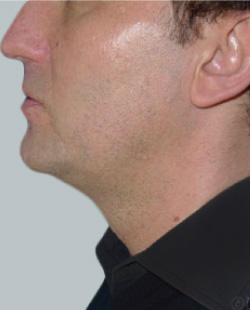
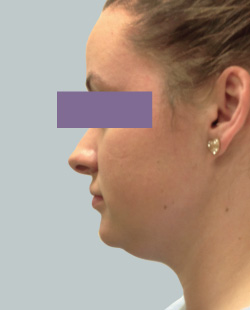
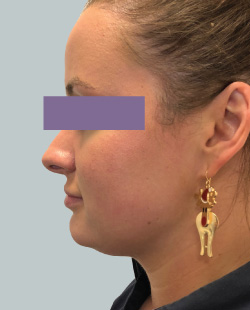
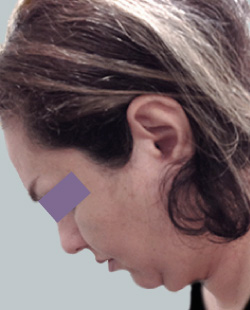
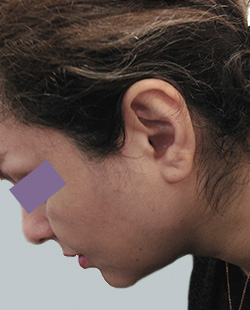
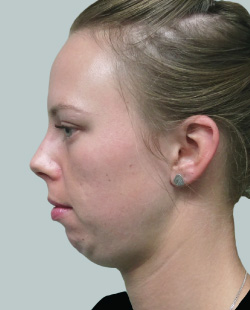
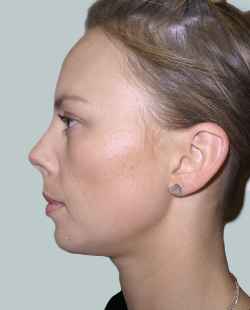
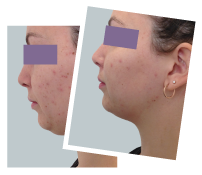
Liposuction before and after photos
Before and after photographs are one of the ways to understand what liposuction can achieve. They are also one of the easiest things to misread, so it is worth understanding what they do and do not tell you before you draw conclusions from them.
Our photographs are shown and discussed during consultation, where your surgeon can select cases relevant to your anatomy and explain what is comparable to your situation and what is not.
The standards these photos must meet
Before and after images used by registered health practitioners in Australia are governed by the Medical Board of Australia's Guidelines for advertising regulated health services.
- Images must be genuine - real patients, real results.
- Photographs on this website have been retouched only to protect patient privacy, never to enhance or alter the results of the surgery.
- Images must carry a clear and prominent disclaimer that results may vary between individuals.
- Patients must consent to the use of their images.
Results may vary between individuals. A photograph shows one person's outcome, not a prediction of yours.
What else the advertising rules prohibit
Useful context, because it tells you what a compliant clinic will and will not show you:
- Testimonials about clinical care are not permitted in advertising by registered health practitioners. A page of patient quotes about how good the surgery was is not a sign of a popular clinic; it is a sign of a compliance problem.
- Claims of superiority - best, leading, safest, most experienced - are not permitted unless they can be substantiated.
- Anything creating an unreasonable expectation of benefit is not permitted. That includes presenting an exceptional result as typical.
- Offers that encourage indiscriminate use - time-limited discounts, package deals, competitions - are not permitted for cosmetic surgery.
- Images of the body used to promote cosmetic surgery are restricted in ways designed to prevent idealised body imagery being used as advertising.
You do not need to know the regulations to use them. If a clinic's marketing leans on testimonials, superlatives, countdown offers or aspirational body imagery, that tells you something about how it operates - before you get to whether the surgery is any good.
How to read a before and after photo
When comparing images, look for:
- Consistent conditions. The same lighting, camera angle, distance and pose in both images. Differences in any of these can create an apparent change that has nothing to do with surgery.
- How much time has passed. Liposuction swelling takes months to fully resolve. A photo taken at six weeks shows something different to one taken at twelve months.
- The starting point. The most relevant comparison is a patient whose anatomy, skin quality and body type resemble yours - not the most dramatic case in the gallery.
- What else was done. Where liposuction was combined with another procedure, the visible change is not attributable to liposuction alone.
The specific tells worth learning
Most misleading pairs are not fabricated. They are honest photographs taken in ways that flatter the result.
- Posture. Standing relaxed in the "before" and braced or turned slightly in the "after" changes the abdominal outline more than a litre of fat does. Check the shoulders and hips are square in both.
- Lighting direction. Light from above and in front casts shadows that emphasise contour; flat light hides it. The shadows should fall the same way in both frames.
- Tan and skin tone. A darker tone reads as more defined. A tan between the two photographs is doing work the surgery did not.
- Underwear. A higher or tighter waistband in the "after" smooths the outline. Look at where the garment sits in each.
- Distance and lens. A step closer or a different focal length changes proportions. The frame should be the same size in both.
- Weight. If the patient also lost 8 kilograms, you are looking at weight loss plus liposuction, not liposuction.
- Hair, makeup and grooming. Not relevant to the contour, but a strong signal about how much the "after" was staged.
Five questions to ask about any photo you are shown
- How long after surgery was this taken? Under three months, it is still swelling.
- What else was done at the same time?
- Did this patient's weight change between the two photographs?
- Is this a typical result or a particularly good one? A straight answer here is worth a great deal.
- Can you show me someone who started where I am? The most useful photograph in any gallery is the one of a person whose body resembles yours.
These are ordinary questions, not confrontational ones, and a surgeon should have ready answers to all five.
What a gallery cannot show you
- The results that were not photographed. A gallery is a selection, and you have no way to know what it was selected from.
- Revisions. Whether the shown result required a second procedure to get there.
- Complications. Contour irregularity, prolonged numbness, seroma - none of them appear in a photograph.
- How the person felt about it. A good contour and a satisfied patient are not the same measurement, and the photograph only records one of them.
- Durability. A photograph at twelve months says nothing about year five.
Why your result will differ
Outcomes vary depending on individual anatomy, skin quality and elasticity, the area treated, the volume of fat removed, and how your body heals.
Two factors matter more than most people expect:
- Skin elasticity. Liposuction removes fat, not skin. Where skin does not retract well, the contour after fat removal differs considerably from a patient whose skin does retract.
- Weight stability. The fat cells removed do not return, but the fat cells that remain can enlarge if weight is gained. Photographs taken of patients who maintained a stable weight are not representative of an outcome where weight changes afterwards.
Photographs of your own, before and after
Worth doing, and more useful to you than any gallery:
- Take your own baseline photographs before surgery - front, both sides, back - in the same light, same spot, same underwear, camera at the same height, tripod or a propped phone rather than held by someone.
- Repeat them at the same intervals as your reviews: seven to ten days, six weeks, three months, six months, twelve months.
- Do not judge anything before three months. It is the single most common source of unnecessary distress after liposuction, and you will want to look at week two. Look, but do not conclude.
- Weigh yourself at each one, so you can tell contour change from weight change later.
Your surgeon will also photograph you. That is part of the medical record and separate from any use in advertising, which requires your specific consent.
What liposuction is and is not
Liposuction removes localised fat deposits that have not responded to diet and exercise. It is a body contouring procedure, not a weight loss method and not a treatment for obesity. It is generally appropriate for people in good health within about 30 percent of their ideal body weight.
It removes fat, not skin. Where loose skin is the concern, a skin-removing procedure such as abdominoplasty, brachioplasty or a thigh lift is the relevant option.
Seeing photographs relevant to you
The most useful way to look at before and after photographs is with your surgeon, who can show cases comparable to your anatomy and explain what is realistic in your case. Asking to see photographs of previous patients with similar conditions is a reasonable question at consultation, and one worth asking.
As at September 2024 and including GST, a consultation with a Specialist Plastic Surgeon is $350. Since 1 July 2023, all patients are required to have a GP referral before seeing a plastic surgeon or doctor about cosmetic surgery, and there is a compulsory one-week cooling-off period after your second consultation.
Risks
All surgical procedures carry risks and potential complications, including infection, bruising, swelling, pain, scarring, bleeding and haematoma, seroma, contour irregularity, changes in sensation, anaesthesia complications and blood clots. Liposuction can be traumatic for internal organs, and visceral perforation, while uncommon, is a recognised risk.
Please read our information on the risks and complications of cosmetic surgery before proceeding.
Any surgical or invasive procedure carries risks. Before proceeding you should seek a second opinion from an appropriately qualified health practitioner.
Common questions about liposuction before and after photos
What do before and after photos actually tell me?
They are one way to understand what liposuction can achieve - and one of the easiest things to misread. A photograph shows one person's outcome, not a prediction of yours.
Are the photos real?
Images used by registered health practitioners in Australia must be genuine - real patients, real results - under the Medical Board of Australia's Guidelines for advertising regulated health services.
Have the photos been edited?
Photographs on this website have been retouched only to protect patient privacy, never to enhance or alter the results of the surgery.
What else do the advertising rules require?
Images must carry a clear and prominent disclaimer that results may vary between individuals, and patients must consent to the use of their images.
What are clinics not allowed to do?
Use testimonials about clinical care, claim superiority without substantiation, create unreasonable expectations of benefit, or run time-limited offers, package deals and competitions for cosmetic surgery.
So what does a page of glowing patient quotes tell me?
That there is a compliance problem, not that the clinic is popular. Testimonials about clinical care are not permitted in advertising by registered health practitioners.
What should I look for when comparing two images?
Consistent conditions - the same lighting, camera angle, distance and pose in both. Differences in any of these can create an apparent change that has nothing to do with surgery.
What are the specific tells?
Posture (shoulders and hips square in both), lighting direction, a tan appearing between the two, where the underwear sits, distance and lens, and whether the patient's weight changed. Most misleading pairs are not fabricated - they are honest photographs taken in flattering ways.
Does the timing of the "after" photo matter?
Considerably. Liposuction swelling takes months to fully resolve, so a photo taken at six weeks shows something different to one taken at twelve months.
What should I ask about any photo I am shown?
How long after surgery it was taken, what else was done at the same time, whether the patient's weight changed, whether it is a typical result or a particularly good one, and whether they can show someone who started where you are.
Which case in a gallery is the relevant one for me?
A patient whose anatomy, skin quality and body type resemble yours - not the most dramatic case in the gallery.
How do I know liposuction alone produced the change?
You often cannot from the image. Where liposuction was combined with another procedure, the visible change is not attributable to liposuction alone - which is worth asking about.
What can a gallery never show me?
The results that were not photographed, whether a revision was needed, any complications, how the patient felt about it, and how the result looked five years later.
Why will my result differ?
Outcomes vary depending on individual anatomy, skin quality and elasticity, the area treated, the volume of fat removed, and how your body heals.
Which factor is most underestimated?
Skin elasticity. Liposuction removes fat, not skin, so where skin does not retract well the contour after fat removal differs considerably from a patient whose skin does retract.
Will the fat come back?
The fat cells removed do not return, but the fat cells that remain can enlarge if weight is gained. Photographs of patients who maintained a stable weight are not representative of an outcome where weight changes afterwards.
Should I take my own photographs?
Yes - front, both sides and back, before surgery, in the same light and spot and underwear with the camera at the same height, then repeated at each review interval. Weigh yourself at each one so you can separate contour change from weight change later.
When can I start judging my own result?
Not before three months. Judging early is the most common source of unnecessary distress after liposuction. Take the week-two photographs, but do not draw conclusions from them.
What happens to the photographs my surgeon takes?
They form part of your medical record. Any use in advertising is separate and requires your specific consent.
Is liposuction a weight loss method?
No. It removes localised fat deposits that have not responded to diet and exercise. It is a body contouring procedure, not a weight loss method and not a treatment for obesity.
Who is it generally appropriate for?
People in good health within about 30 percent of their ideal body weight.
What if loose skin is my concern?
Liposuction removes fat, not skin. A skin-removing procedure such as abdominoplasty, brachioplasty or a thigh lift is the relevant option.
Can I ask to see photos of patients like me?
Yes, and it is worth asking. The most useful way to look at before and after photographs is with your surgeon, who can show cases comparable to your anatomy and explain what is realistic in your case.
What does a consultation cost, and do I need a referral?
As at September 2024 and including GST, a consultation with a Specialist Plastic Surgeon is $350. Since 1 July 2023, all patients are required to have a GP referral before seeing a plastic surgeon or doctor about cosmetic surgery, and there is a compulsory one-week cooling-off period after your second consultation.
What are the risks of liposuction itself?
Infection, bruising, swelling, pain, scarring, bleeding and haematoma, seroma, contour irregularity, changes in sensation, anaesthesia complications and blood clots. Liposuction can be traumatic for internal organs, and visceral perforation, while uncommon, is a recognised risk.
Related pages
See liposuction, liposuction costs, or all body procedures.
Individual results may vary. Any surgical or invasive procedure carries risks. Before proceeding you should seek a second opinion from an appropriately qualified health practitioner.
Images on This Page
-
https://www.meclinic.com.au/wp-content/uploads/2024/03/meclinic-logo.png
Me Clinic
-
https://www.meclinic.com.au/wp-content/uploads/2022/02/call.png
call
-
https://www.meclinic.com.au/wp-content/uploads/2022/02/cs8-lipo-face-250x310-sideb-before.jpg
(no alt text)
-
https://www.meclinic.com.au/wp-content/uploads/2022/02/cs8-lipo-face-sideb-after.jpg
(no alt text)
-
https://www.meclinic.com.au/wp-content/uploads/2022/02/cs9-face-liposuction-250x310px-before-hide.jpg
(no alt text)
-
https://www.meclinic.com.au/wp-content/uploads/2022/02/cs9-face-liposuction-250x310px-after-hide.jpg
(no alt text)
-
https://www.meclinic.com.au/wp-content/uploads/2022/02/cs6-lipo-doublechin-before-250x310-1.jpg
(no alt text)
-
https://www.meclinic.com.au/wp-content/uploads/2022/02/cs6-lipo-doublechin-after-250x310-1.jpg
(no alt text)
-
https://www.meclinic.com.au/wp-content/uploads/2022/02/cs5-lipo-face-before-.jpg
(no alt text)
-
https://www.meclinic.com.au/wp-content/uploads/2022/02/cs5-lipo-face-after.jpg
(no alt text)
-
https://www.meclinic.com.au/wp-content/uploads/2022/03/cs2-double-chin-reduction-non-surgical-200x171-07-07.png
(no alt text)
-
https://www.meclinic.com.au/wp-content/uploads/2024/02/acps.png
(no alt text)
-
https://www.meclinic.com.au/wp-content/uploads/2024/02/racs.png
(no alt text)
-
https://www.meclinic.com.au/wp-content/uploads/2024/02/fracs.png
(no alt text)
-
https://www.meclinic.com.au/wp-content/uploads/2024/02/isaps.png
(no alt text)
-
https://www.meclinic.com.au/wp-content/uploads/2024/02/cpca.png
(no alt text)
-
https://www.meclinic.com.au/wp-content/uploads/2022/02/auscop.png
(no alt text)
-
https://www.meclinic.com.au/wp-content/uploads/2022/02/amav.png
(no alt text)
-
https://www.meclinic.com.au/wp-content/uploads/2022/03/channel7.png
(no alt text)
-
https://www.meclinic.com.au/wp-content/uploads/2022/03/channel9.png
(no alt text)
-
https://www.meclinic.com.au/wp-content/uploads/2022/03/channel10.png
(no alt text)
-
https://www.meclinic.com.au/wp-content/uploads/2022/03/abc.png
(no alt text)
-
https://www.meclinic.com.au/wp-content/uploads/2022/02/malvern-map-thumb.jpg
(no alt text)
-
https://www.meclinic.com.au/wp-content/uploads/2022/03/home-conctact-tab.jpg
(no alt text)
-
https://bat.bing.com/action/0?ti=56339805&Ver=2&mid=0aa8130d-e799-4637-8e84-87875ba90a5a&bo=1&sid=ca181070ac3311f19d999be145109970&vid=ca188030ac3311f194edadbdef6ca430&vids=0&msclkid=N&pi=918639831&lg=en-US&sw=1280&sh=720&sc=24&tl=Liposuction%20Before%20and%20After%20-%20Real%20Patient%20Outcomes&p=https%3A%2F%2Fwww.meclinic.com.au%2Fbody%2Fliposuction%2Fbefore-and-after%2F&r=<=3512&evt=pageLoad&sv=2&cdb=AQAQ&rn=404280
(no alt text)